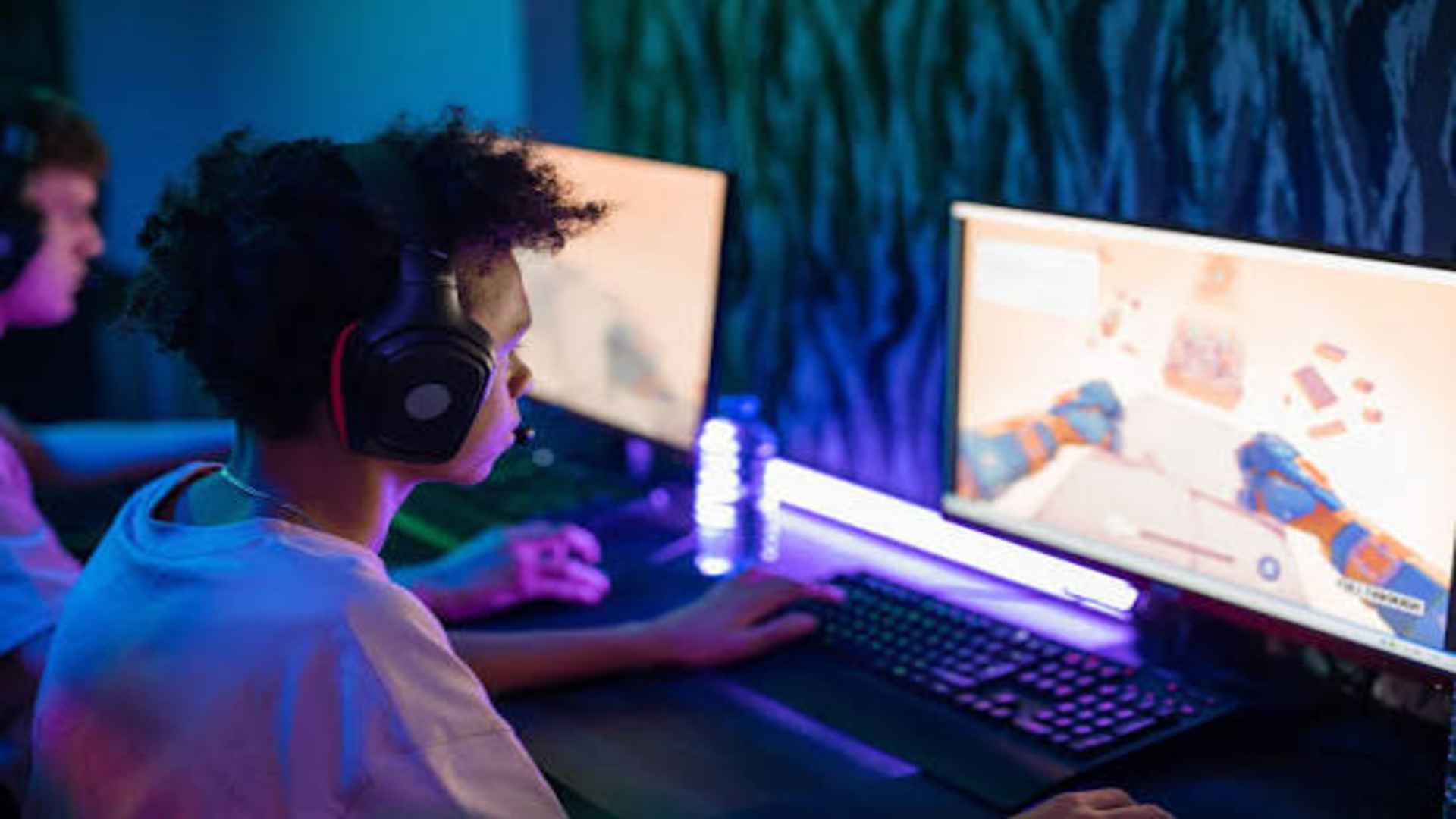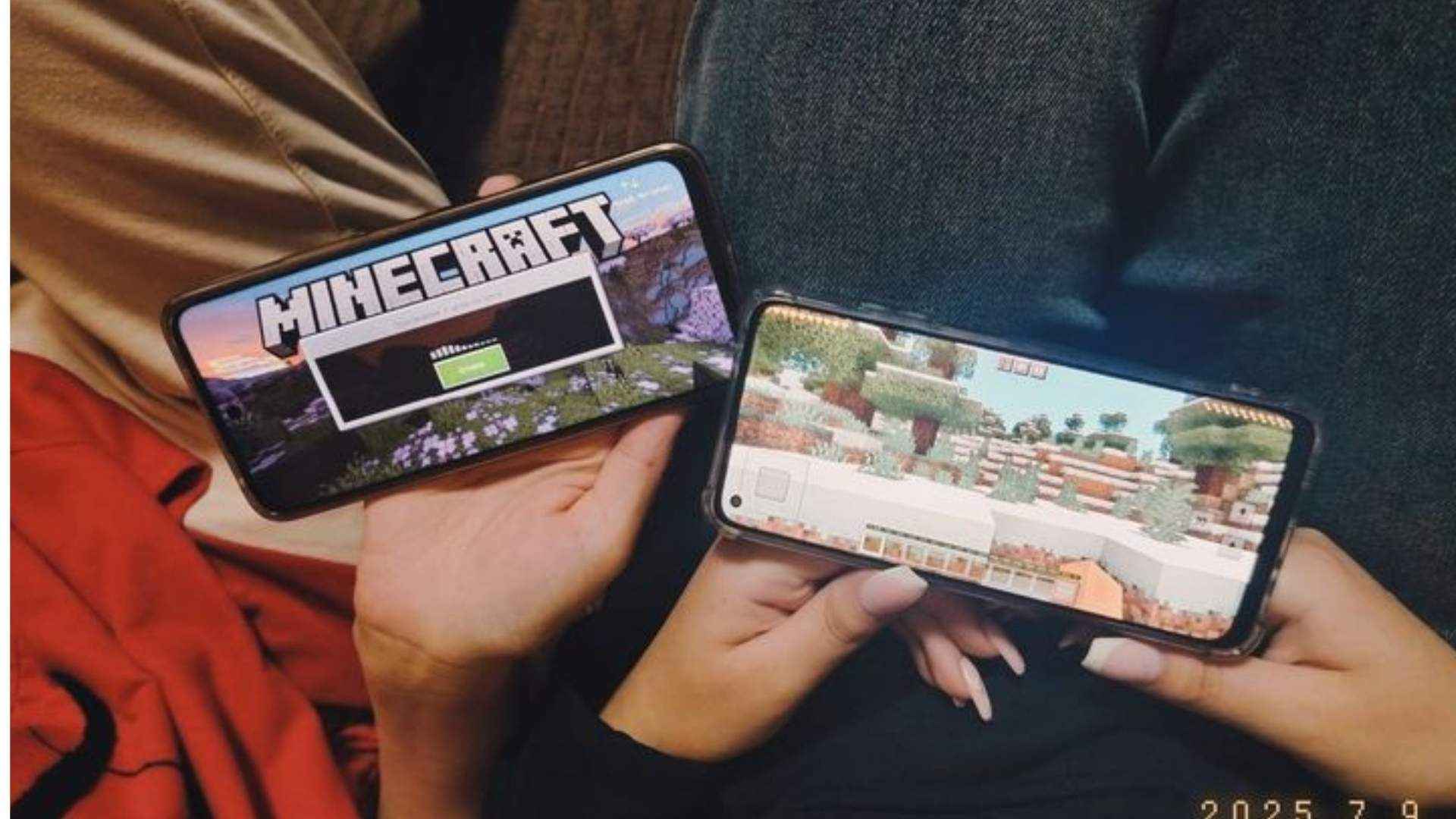
The highly anticipated release of Grounded 2 has sparked significant excitement within the survival gaming community as players prepare to dive back into a micro-sized world filled with macroscopic dangers. As fans gear up to tame bugs, build complex bases, and tackle giant backyard threats, a major question circulating among gaming circles centers on multiplayer capabilities across different ecosystems. Understanding how the game bridges the gap between hardware configurations ensures that groups of friends can seamlessly coordinate their defensive tactics regardless of their chosen machine.
The Launch State of Ecosystem Compatibility
Obsidian Entertainment has built a strong reputation for prioritizing community connectivity in their multiplayer survival games, and this sequel pushes those boundaries further. From its initial debut, the title establishes complete infrastructure parity across major computer hardware environments and modern home consoles. This dedicated approach ensures that the player base remains unified from day one, minimizing matchmaking queue times and maximizing active lobbies.
Gamers operating on the latest Xbox hardware can effortlessly invite peers who prefer playing on the PlayStation 5 console without experiencing software barriers. Furthermore, the PC community remains deeply integrated into this network through various digital distribution storefronts. This comprehensive availability allows diverse groups of players to coordinate survival sessions without worrying about split platforms or exclusive network ecosystems.
How Crossplay Works Across Consoles and PC
The underlying matchmaking architecture relies on a centralized account system to manage friend lists and session invites seamlessly across competing networks. Players are required to link their active console profiles to a unified backend network, which serves as the primary directory for multiplayer lobbies. Once this brief configuration is complete, inviting a companion from an entirely different hardware system becomes as simple as searching for their unique user tag.
In-game performance remains remarkably consistent during cross-platform sessions due to extensive optimization across all supported versions. Shared game states, environmental rendering variables, and creature behavior updates synchronize smoothly across differing hardware architectures to ensure fair gameplay. This careful engineering ensures that console players and PC survivalists enjoy an identical, lag-free experience while defending their camps from aggressive insect hordes.
Cross Progression and Shared World Mechanics
Beyond standard matchmaking features, the cooperative design implements advanced cloud synchronization parameters to protect player investments. Individuals who transition between a home console and a portable computer setup can carry their active character progression, unlocked cosmetics, and crafting recipes over automatically. This fluid data migration means your hard work is never tethered to a singular piece of hardware.
The system also introduces a robust shared world mechanic that revolutionizes how persistent multiplayer servers operate. Hosts can save their miniature backyard worlds to a secure cloud server, allowing authorized friends to continue building or harvesting resources even when the original creator goes offline. This eliminates the necessity of maintaining dedicated paid servers while keeping cooperative progression accessible to all party members at any time.
Future Infrastructure and Network Optimization
Maintaining a massive multiplatform multiplayer network requires constant vigilance from the development team to counter potential connectivity hitches. Regular server-side updates focus heavily on refining matchmaking stability and lowering network latency across mixed-platform parties. These technical improvements guarantee that future content expansions, including new biomes and insect variants, launch simultaneously across all systems without disrupting the player base.
The development roadmap highlights a strong commitment to expanding user interface options and cross-platform communication tools. Integrated voice chat systems and quick-ping mechanics are continually optimized to ensure seamless teamwork between players using controllers and those using traditional keyboards. By prioritizing long-term network balance, the studio guarantees a welcoming and interconnected playground for years to come.